3D Layered Game Controller for Crafts & Games Marketing
First Impressions: Bold, Playful, and Visually Engaging
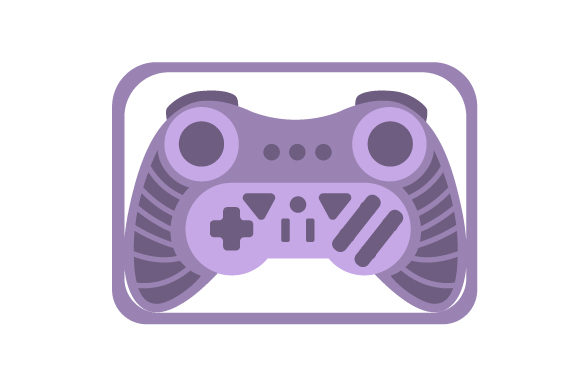
The 3D Layered Game Controller immediately stands out with its dimensional depth and stylized realism. As a brand designer, my first thought was how well it balances modern graphic design with a tactile, almost toy-like appeal. This visual tone makes it ideal for brands targeting younger audiences, gaming communities, or creative niches that value interactive and hands-on design.
From a content marketing perspective, this design asset injects a sense of fun and interactivity into branding materials. It’s not just a static image—it invites engagement, which is essential for capturing attention in fast-scrolling digital environments.
Emotional Tone & Audience Perception
The controller design feels energetic, youthful, and tech-savvy. It evokes a sense of play and exploration, making it a strong visual cue for brands in the gaming, entertainment, or DIY crafts sectors. It leans more toward casual and lifestyle branding rather than formal or luxury positioning, so it’s best suited for brands that want to feel approachable, creative, and digitally native.
When integrated into marketing visuals, it subtly communicates innovation and interactivity. For small business owners launching a new product or digital seller promoting a downloadable design pack, this kind of emotional resonance can help build stronger audience trust and connection.
How 3D Layered Game Controller Performs in Real Campaigns
In a recent project for a small online course creator focusing on game design, I tested this asset across multiple marketing visuals. Here’s how it performed:
- Social Media Graphics: Performed exceptionally well on Instagram and Pinterest, where the 3D depth stood out in feeds and search results.
- Email Campaign Headers: Added a dynamic focal point that improved open rates when used in a playful campaign header.
- Pinterest Pins: The design translated well into vertical formats, increasing saves and traffic from the platform.
- Canva Templates: Worked seamlessly within editable templates for clients, giving them a professional look without needing advanced design skills.
It also held up well in product packaging concepts, particularly for limited-edition game-themed merchandise or seasonal bundles where visual storytelling is key.
Supporting Marketing Goals with Strong Visuals
One of the biggest challenges in branding is consistency across platforms. The 3D Layered Game Controller helped reinforce a unified look across:
- Brand Identity: Used as a supporting icon in logo variations and sub-branded content kits.
- Visual Hierarchy: Served as a hero graphic in email banners and landing pages, guiding the viewer’s eye naturally.
- Audience Trust: Its clean, professional design made marketing materials feel more polished and intentional.
- Engagement: Increased interaction rates when used in social media ads and editorial-style blog headers.
For content creators building a branded visual library, this type of asset can become a recurring visual motif that strengthens recognition and recall.
Where This Design Asset Shines
This graphic design asset is especially effective in:
- Hero Graphics: Ideal for landing pages or campaign headers where a bold, attention-grabbing image is needed.
- Product Launch Visuals: Works well as a central visual in teaser campaigns or digital product reveals.
- Branded Templates: Adds a dynamic element to Canva templates, social media kits, and printable promotions.
- Packaging Accents: Perfect for limited-edition packaging inserts or sticker designs for game-related products.
- Editorial Layouts: Enhances blog posts, infographics, and digital reports related to gaming, tech, or creative hobbies.
Use with Caution: When It Might Not Fit
While versatile, this asset isn’t a one-size-fits-all solution. It should be used carefully in:
- Formal Corporate Branding: Its playful tone may clash with more serious or traditional brand identities.
- Dense Information Layouts: Can overwhelm text-heavy designs or data-driven visuals.
- Small Mobile Graphics: Detail may get lost in tiny thumbnails or mobile app banners.
- Minimalist Branding: May feel too bold or distracting in overly clean design schemes.
- Text-Heavy Ads: Competes with copy if not balanced properly in layout.
Practical Designer Notes for Integration
Before deploying the 3D Layered Game Controller in a live campaign, I recommend these brand design checks:
- Color Compatibility: Test it with your brand’s primary and secondary color palette to ensure visual harmony.
- Black & White Usage: Preview in grayscale to confirm it still reads clearly in monochrome formats.
- Mockup Placement: Place it inside real campaign mockups to see how it integrates with other brand elements.
- Mobile Preview: Zoom in on mobile screens to verify clarity and readability at small sizes.
- Font Pairing: Test with serif, sans serif, script, and display fonts to find the most cohesive typographic match.
- Spacing & Balance: Ensure it doesn’t overpower other visual elements or disrupt the layout’s flow.
- Licensing: Confirm the asset includes a commercial license for use in paid ads, client work, or digital product sales.
Final Thoughts: A Smart Addition to Your Visual Toolkit
The 3D Layered Game Controller is more than just a clipart file—it’s a strategic design asset that supports modern marketing and branding needs. Whether you're building a content kit for clients, launching a seasonal campaign, or designing digital product visuals, this controller brings a professional, playful, and engaging edge to your visuals.
For small business owners, digital sellers, and content creators, having access to such a flexible SVG design can streamline the visual production process while maintaining a polished, on-brand look. Just remember to test it thoroughly across formats, pair it thoughtfully with other design elements, and always ensure licensing aligns with your intended use.