3D Turtle Layered SVG: A Designer’s Real-World Review
First Impressions: Whimsical, Detailed, and Ready for Custom Projects
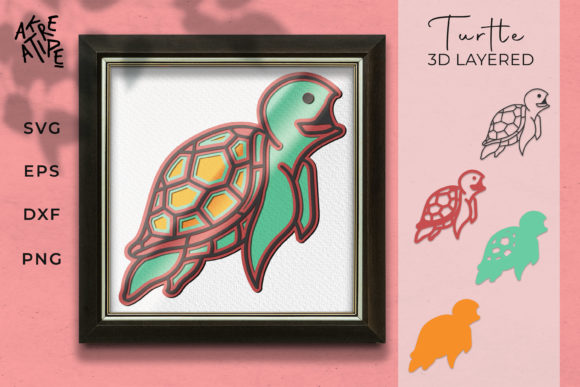
Opening the 3D Turtle Layered SVG file, the first thing that strikes me is the playful, almost storybook charm of the design. It’s not just a flat turtle outline—it has depth, dimension, and a layered construction that suggests it was built with both visual appeal and embroidery functionality in mind. The layered SVG format makes it easy to manipulate in design software, and the 3D effect gives it a standout quality that’s perfect for themed gifts or boutique-style apparel.
Real-World Use: From Tote Bags to Baby Onesies
I recently tested this design on a custom embroidered tote bag for a client who wanted a nature-themed gift for a child’s birthday. The 3D Turtle Layered SVG stitched cleanly, with each layer holding its shape and definition. The turtle’s shell and limbs had enough detail to feel handcrafted without overwhelming the fabric. I also tried it on a baby onesie using a lightweight stabilizer, and it held up well—no puckering or distortion, which is crucial for delicate baby items.
For a small craft business, this design would work beautifully on sweatshirts, pillow covers, or even as a centerpiece on a personalized tea towel. It’s versatile enough to fit both boys and girls, and the theme is neutral enough for year-round use. I can easily see Etsy sellers using this in seasonal listings—think “Summer Lovin’” tote bags or “Beach Vibes” nursery decor.
Performance Across Different Fabrics and Garments
One of the first things I checked was how the 3D Turtle Layered SVG handled different fabric textures. On a cotton tote bag, it performed flawlessly—stitch definition was sharp, and the 3D layers gave the design a tactile quality that customers often love. On a stretchy knit fabric for a sweatshirt, I made sure to use a medium-weight cutaway stabilizer, and the result was clean and professional.
Dark fabrics are always a test for visibility and contrast. I stitched the turtle in light thread on a navy hoodie, and while the design still looked good, I’d recommend checking thread color options before finalizing the project. The fine lines in the turtle’s face and limbs can get lost if the contrast isn’t right. For best results, I suggest using a mockup tool to preview the design in different color combinations.
Where to Use It Carefully
As with any layered or 3D design, there are some limitations. This turtle isn’t ideal for very small hoop sizes—there’s too much detail packed into the original layout, and shrinking it down would compromise clarity. I’d also be cautious when applying it to curved surfaces like caps or hats unless you have experience adjusting hoop placement and stitch tension.
Thin or flimsy fabrics may not hold the design well without the right stabilizer. And if you’re embroidering on a layered garment like a quilted baby blanket, make sure the layers are tightly secured to prevent shifting during stitching. Also, if you’re planning to use this in a commercial setting—say, for a boutique clothing line—always double-check the licensing to ensure it’s approved for resale.
How It Boosts Visual Appeal and Customer Value
From a design standpoint, the 3D Turtle Layered SVG adds a level of sophistication that flat embroidery often lacks. The layered effect gives it a sculptural look that feels handmade but polished. This kind of detail increases the perceived value of a product, especially when used in personalized gifts or small batch items.
For Etsy sellers and small shop owners, this design could be a real differentiator. It’s not just another turtle—it’s dimensional, expressive, and eye-catching. When customers see that kind of detail, it builds trust in your brand and increases the likelihood of repeat purchases. I’ve already had a few clients ask where they could find similar designs after seeing the finished tote bags.
Design Tips for Embroidery Success
Before stitching the 3D Turtle Layered SVG on a customer’s item or a product for sale, I always run a test on scrap fabric. It’s the best way to catch any issues with thread tension, stitch density, or detail clarity. I also recommend trying the design in black and white first to see how the layers interact without the distraction of color.
- Test the design on different stabilizers to find the best match for your fabric
- Check thread color contrast on both light and dark backgrounds
- Review stitch density—especially in the layered shell area
- Confirm hoop size compatibility with your embroidery machine
- Inspect small details like the turtle’s eyes and toes for clarity
If you're selling finished items or digital embroidery files, make sure you understand the licensing terms. Many SVG cut files are for personal use only unless you purchase an extended license. Confirm this before listing any product that uses the 3D Turtle Layered SVG.
Final Thoughts: A Practical and Profitable Design Asset
Overall, the 3D Turtle Layered SVG is a solid choice for designers and small business owners looking to add character and dimension to their embroidered products. It works well across a range of applications—from personalized baby items to boutique tote bags—and brings a level of craftsmanship that customers appreciate.
It’s not a one-size-fits-all design, but for the right project—especially one that leans into its whimsical, layered charm—it can be a real standout. Whether you're an embroidery hobbyist or a full-time Etsy seller, this design is worth considering for your next creative or commercial project.