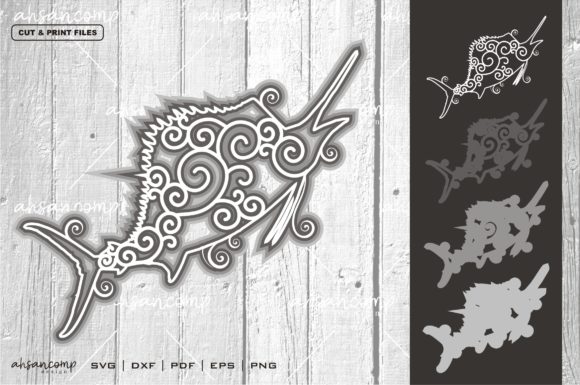
Rhino Vector SVG 3D Layered 2: A Review for Bloggers and Digital Publishers
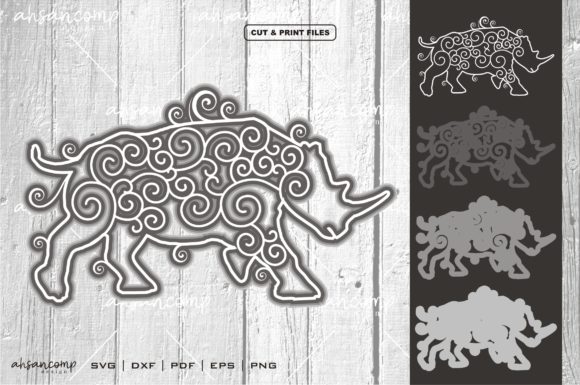
Rhino Vector SVG 3D Layered 2 caught my attention immediately as a blog designer and digital publisher always on the hunt for high-quality graphic design assets. The moment I downloaded the files, I was struck by the depth and dimensionality of the layered 3D SVG format. This is a digital download with no physical items included—perfect for fast integration into editorial layouts, website headers, and content marketing visuals.
First Impressions: Bold, Modern, and Visually Engaging
The Rhino Vector SVG 3D Layered 2 design has a strong visual presence that leans modern and artistic. It’s layered in a way that suggests movement and dimension, making it ideal for lifestyle blogs, creative design projects, and visually-driven affiliate marketing content. The illustration style feels bold and slightly decorative, which could work well in niches like personal development, fashion, or digital product creation. It’s not overly playful or feminine, but rather versatile enough to be adapted across different editorial moods.
How It Elevates Editorial Design and Web Presentation
As a content creator, I know how important it is to create a strong first impression. This 3D SVG asset helps build a clearer visual hierarchy by drawing the eye with its layered depth and dynamic structure. Whether used in a featured blog image, Pinterest pin, or social media graphic, it adds a professional touch that enhances reader trust and engagement.
For example, when I placed it as a hero image on a sample blog post layout, the Rhino Vector SVG 3D Layered 2 created a sense of editorial polish that elevated the entire page. It worked especially well with minimal text overlays, allowing the design asset itself to communicate a modern and creative brand identity.
Real Publishing Use Cases That Make It Worthwhile
This design asset isn’t just a pretty image—it’s functional. Here are some of the real publishing scenarios where Rhino Vector SVG 3D Layered 2 truly shines:
- Blog Featured Images:: The layered SVG format scales beautifully, making it perfect for large header images that look crisp on all devices.
- Pinterest Graphics:: The bold visual style helps it stand out in Pinterest feeds, increasing click-through potential.
- Newsletter Banners:: When placed inside an email layout, the SVG maintains clarity and adds visual interest to digital guides or content upgrades.
- Downloadable Resources:: It works well as a header or accent graphic in lead magnets, worksheets, or eBook covers.
- Social Media Visuals:: Whether used in Instagram Stories or Facebook posts, it adds a modern design element that aligns with current visual trends.
- Canva Templates:: I tested it inside a Canva layout for a client’s media kit and was impressed by how easily it integrated into existing design systems.
In my experience, this asset performs strongest when used as:
- A **hero image** on landing pages or resource hubs
- A **thumbnail** for digital guides or downloadable printables
- A **Pinterest pin** for high-traffic blog posts
- An **accent graphic** in editorial layouts or newsletter headers
- A **social media preview** for affiliate marketing campaigns
Its layered 3D structure makes it ideal for drawing attention without overwhelming the reader. It also supports stronger brand identity when used consistently across different types of blog graphics and digital assets.
When to Use It with Care
That said, this design asset isn’t a one-size-fits-all solution. I’d recommend using it carefully in the following contexts:
- Small mobile thumbnails: where detail may get lost
- Text-heavy blog images: that need high contrast for readability
- Low-contrast backgrounds: that make it hard to distinguish layers
- Busy editorial layouts: where it could compete with other visual elements
- Serious professional niches: like legal or corporate content, where a more minimal design approach is preferred
It’s best suited for creative markets, small business branding, and niche blogs that benefit from a modern design aesthetic.
Before deploying Rhino Vector SVG 3D Layered 2 in live content, here are a few practical steps I recommend:
- Test it on desktop and mobile screens: to ensure clarity and responsiveness.
- Preview it as a thumbnail: to see how it holds up in smaller sizes.
- Place it inside a real blog layout: to check how it interacts with headlines, body text, and call-to-action buttons.
- Try it with different fonts: —I tested it with serif, sans-serif, script, and display fonts to see how it complemented various typographic styles.
- Check contrast and readability: when adding text overlays.
- Review file size: for web performance, especially if you're using multiple SVGs on a single page.
- Confirm the licensing: —make sure it includes a commercial license if you're using it on monetized websites, affiliate pages, or paid digital products.
Final Thoughts: A Versatile Addition to Any Content Creator’s Toolkit
Rhino Vector SVG 3D Layered 2 is more than just a digital download—it’s a creative tool that can elevate your blog visuals, newsletter design, and social media presence. Whether you're a small business owner building brand identity or a content creator focused on visual storytelling, this asset brings real value to your publishing workflow.
If you're looking to strengthen your website’s visual hierarchy, improve reader trust through professional design, and create more clickable content visuals, Rhino Vector SVG 3D Layered 2 is definitely worth considering. It’s a modern design solution for digital publishers who want to present their content with clarity, creativity, and consistency.